Why Rugged Luxury Chose the Inca Trail
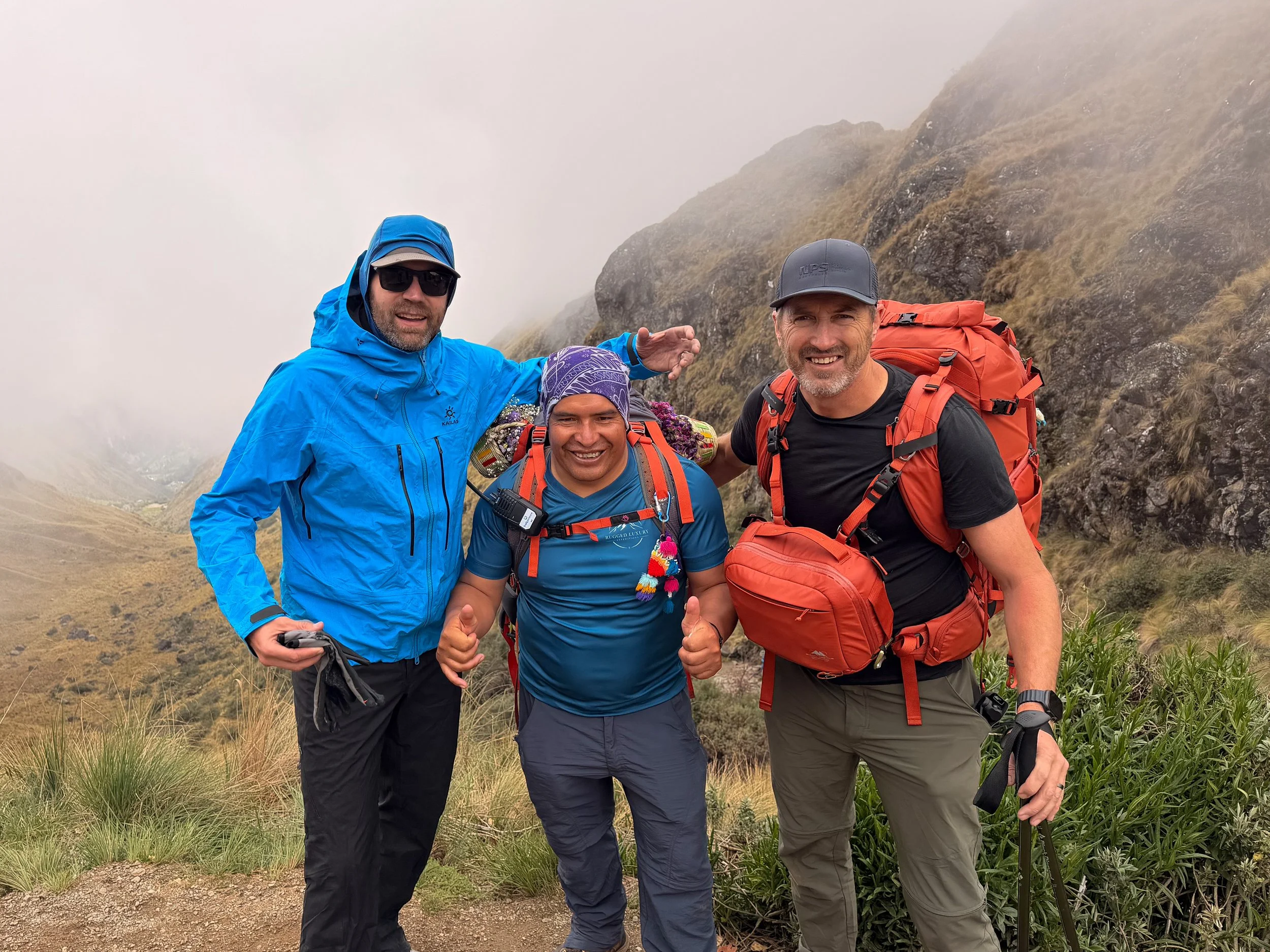
There are several ways to reach Machu Picchu. Trains, buses, alternative treks, and combined routes all bring guests to the same citadel in the end. So the question worth asking is not simply how to get there, but what kind of journey the route itself offers. For Rugged Luxury Expeditions, the answer is clear: the Inca Trail.
This is not a default choice or a matter of popularity. It is a deliberate decision grounded in history, cultural depth, and the belief that the way a guest arrives at Machu Picchu fundamentally changes what they experience when they get there.
Here, the Journey Is the Destination
The Inca Trail is historically and culturally significant because it functioned as a sacred ceremonial route within the Inca Empire, directly linking important religious, administrative, and agricultural centers to Machu Picchu. The trail formed part of the vast Qhapaq Ñan road system, which unified the empire politically, economically, and spiritually across the Andes. Use of the route was restricted during the Inca period, reserved primarily for nobility, priests, and official processions, reinforcing its ritual importance.
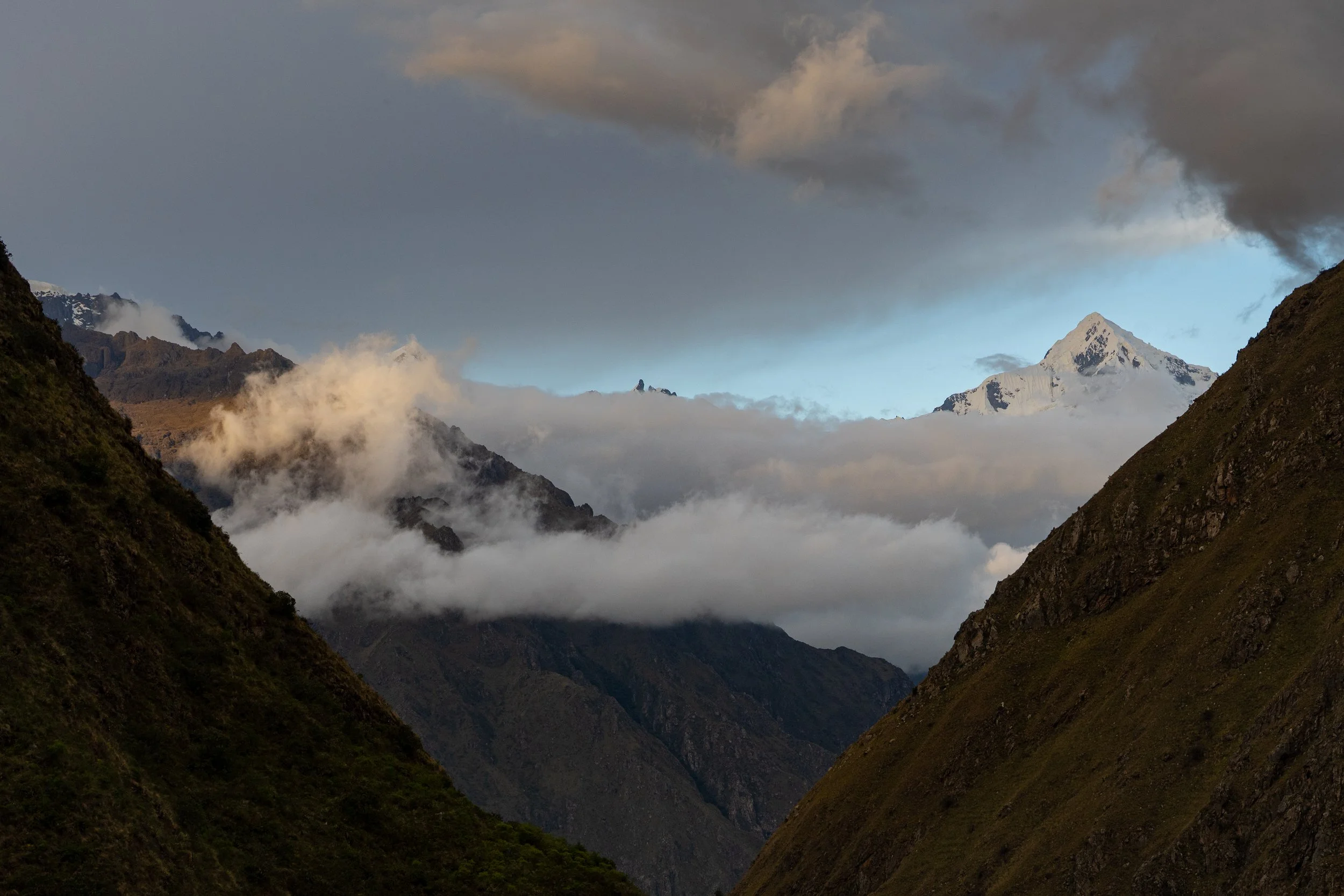
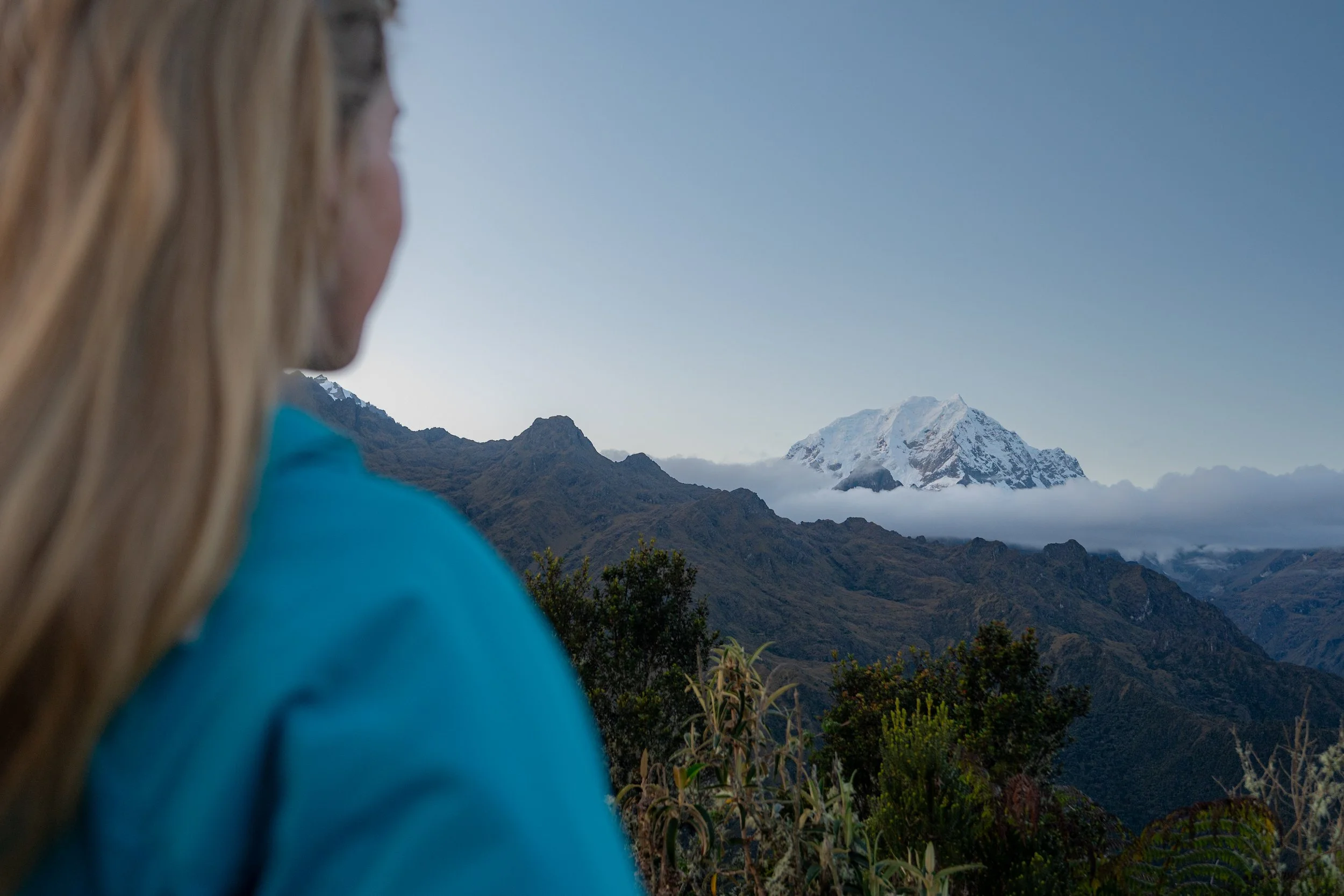
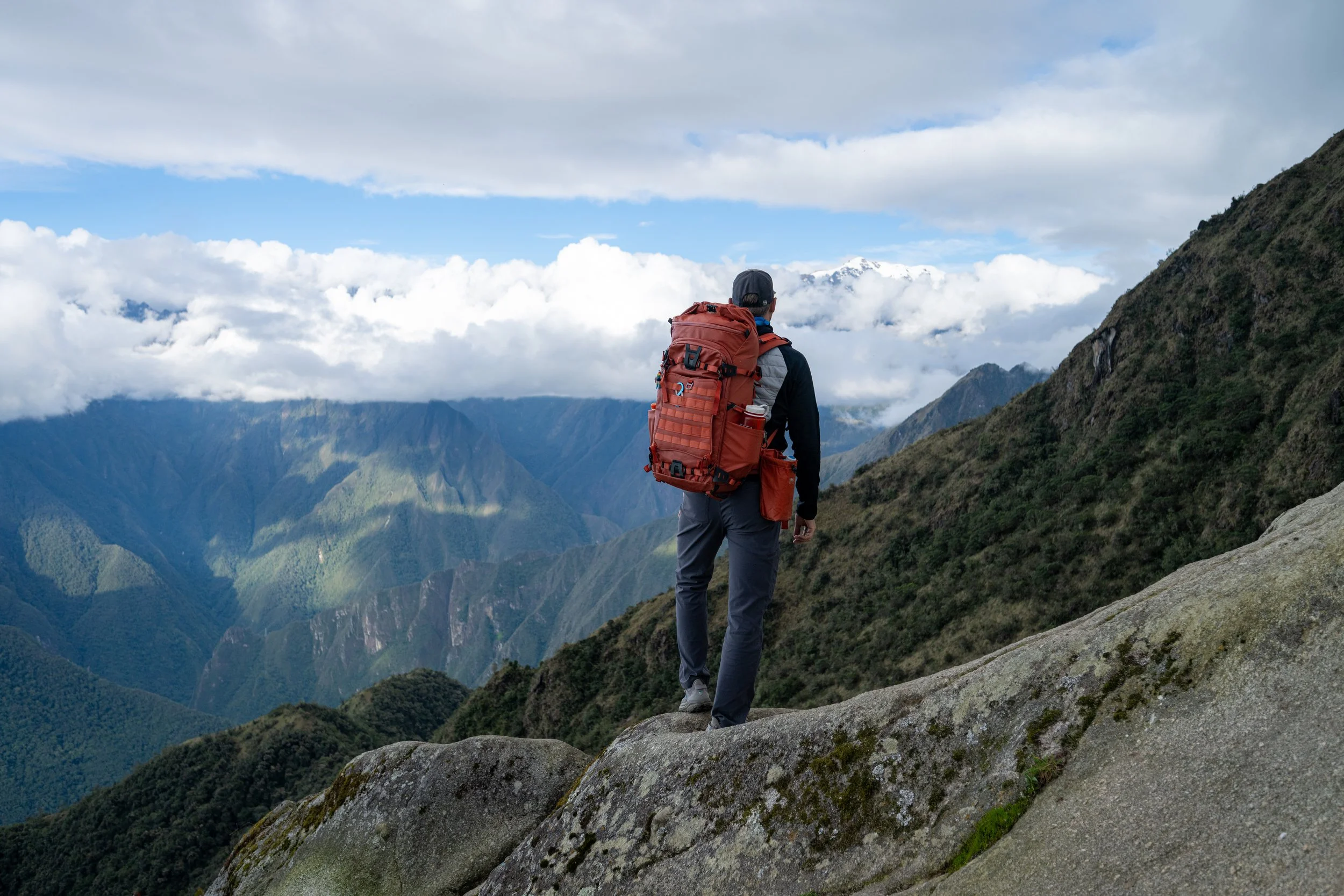
Walking it today is not a recreation of the Inca experience. But it is the closest available. The same stone pathways, the same approach through cloud forest and high alpine passes, the same Sun Gate through which Machu Picchu first appears. In 1983, UNESCO declared the Historic Sanctuary of Machu Picchu a World Heritage Site under a dual cultural and natural designation, recognizing not only Machu Picchu itself but also the surrounding ecosystem, including the specific section of the Inca Trail, as a joint masterpiece of human ingenuity and natural beauty.
That designation matters. It means the Inca Trail is not an access route or just a trekking route. It is part of the protected UNESCO site itself.
What the Inca Trail Passes Through
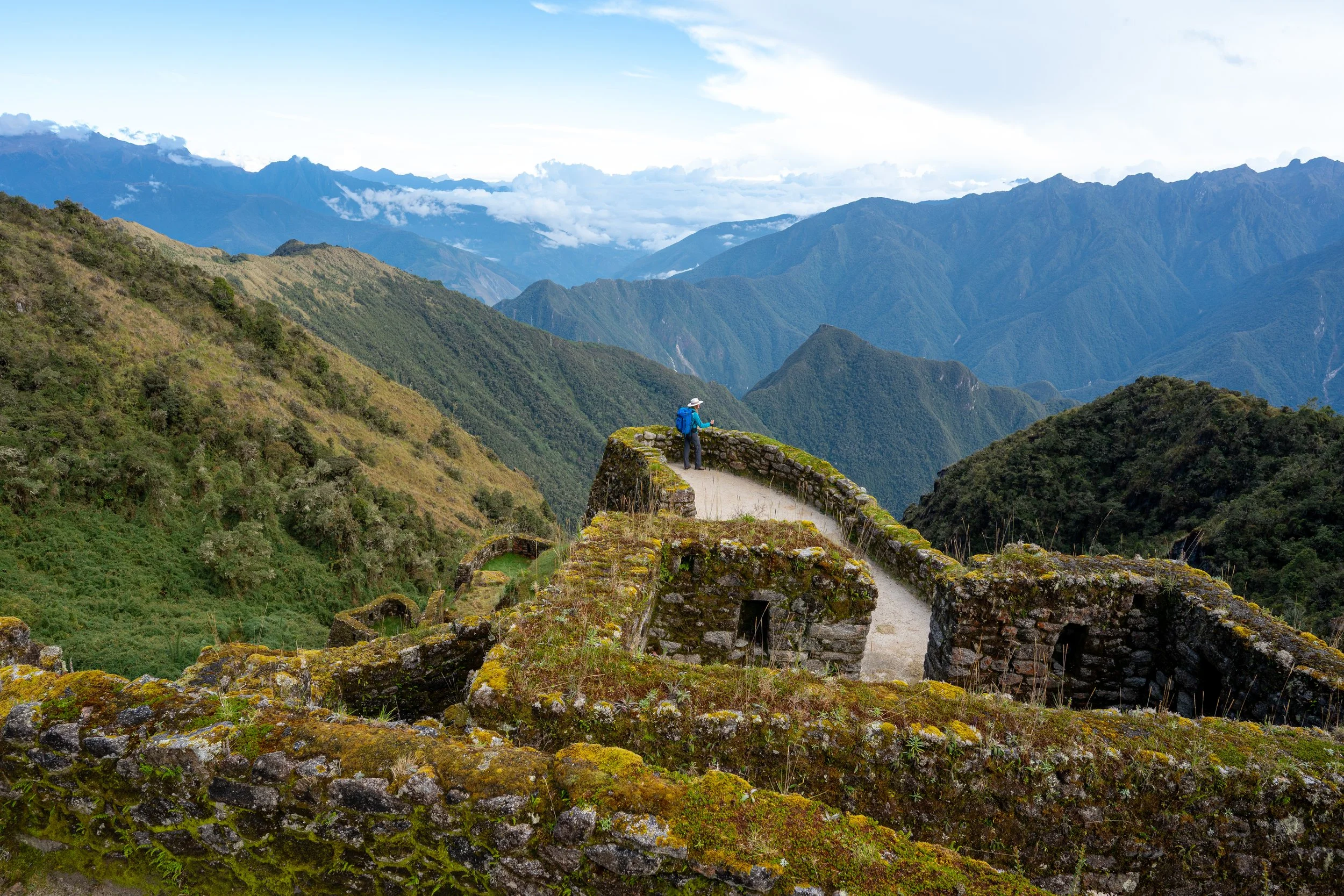
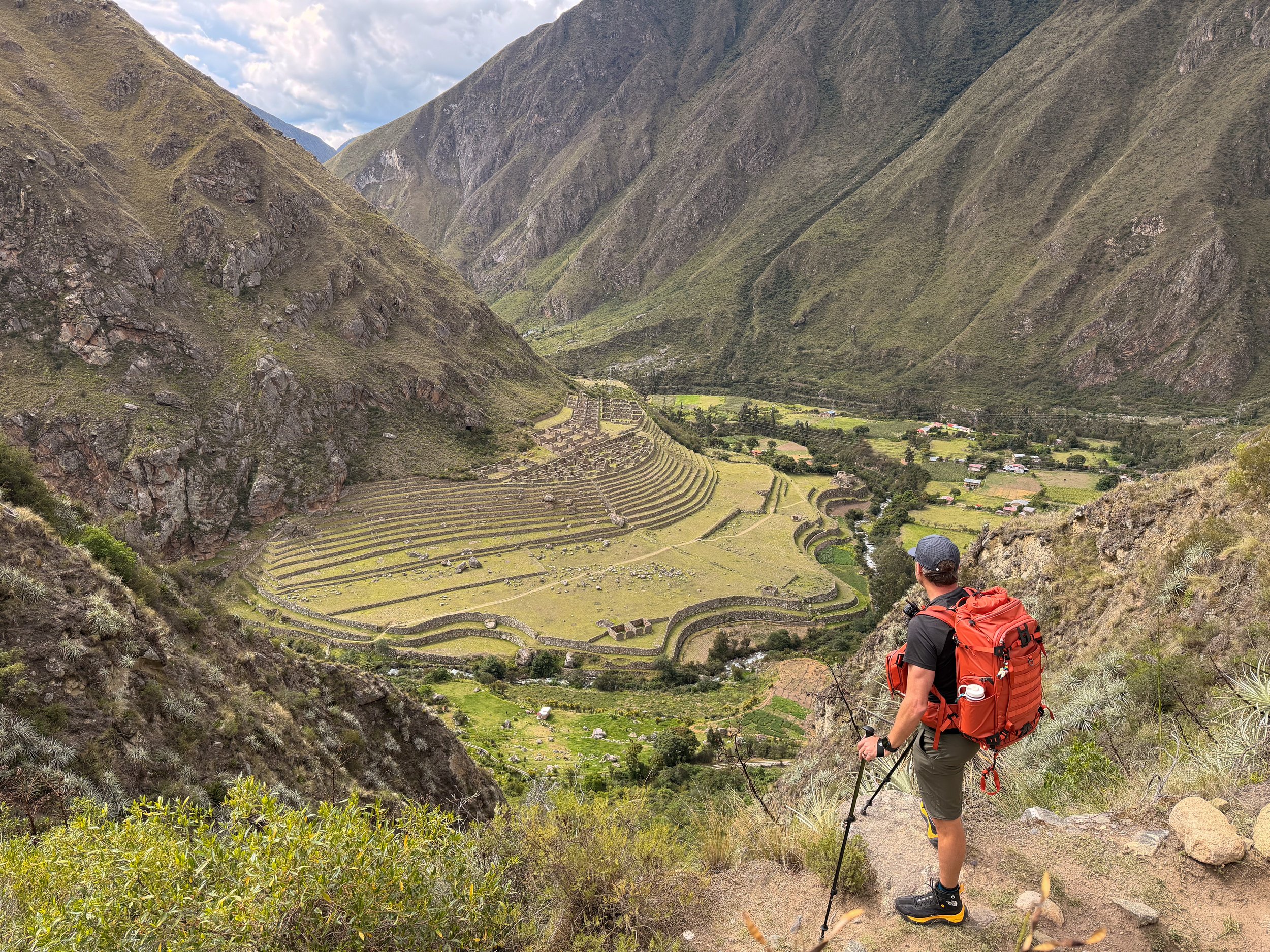
Archaeological sites along the Inca Trail demonstrate advanced Inca engineering and cosmology. Structures such as Wiñay Wayna, Phuyupatamarka, and Intipata reveal ceremonial platforms, water channels, terraces, and astronomical alignments tied to solar worship and agricultural cycles. These sites are not stops on a bus tour circuit. They are only accessible to those on the trail, and they build a cumulative picture of the civilization that built Machu Picchu long before the citadel itself comes into view.
Key sites along the route include:
Llactapata, near the trailhead, is believed to have served as an agricultural and administrative hub controlling access to the Sacred Valley.
Runkurakay, a circular ruin likely used as a resting place or lookout for Inca messengers, is positioned with views across the valley below.
Sayacmarca, meaning "Inaccessible Town," is a set of stone buildings perched on a cliff that most visitors to Peru will never see.
Wiñay Wayna, meaning "Forever Young" in Quechua, one of the most impressive sites on the trail, located four kilometers from Machu Picchu.
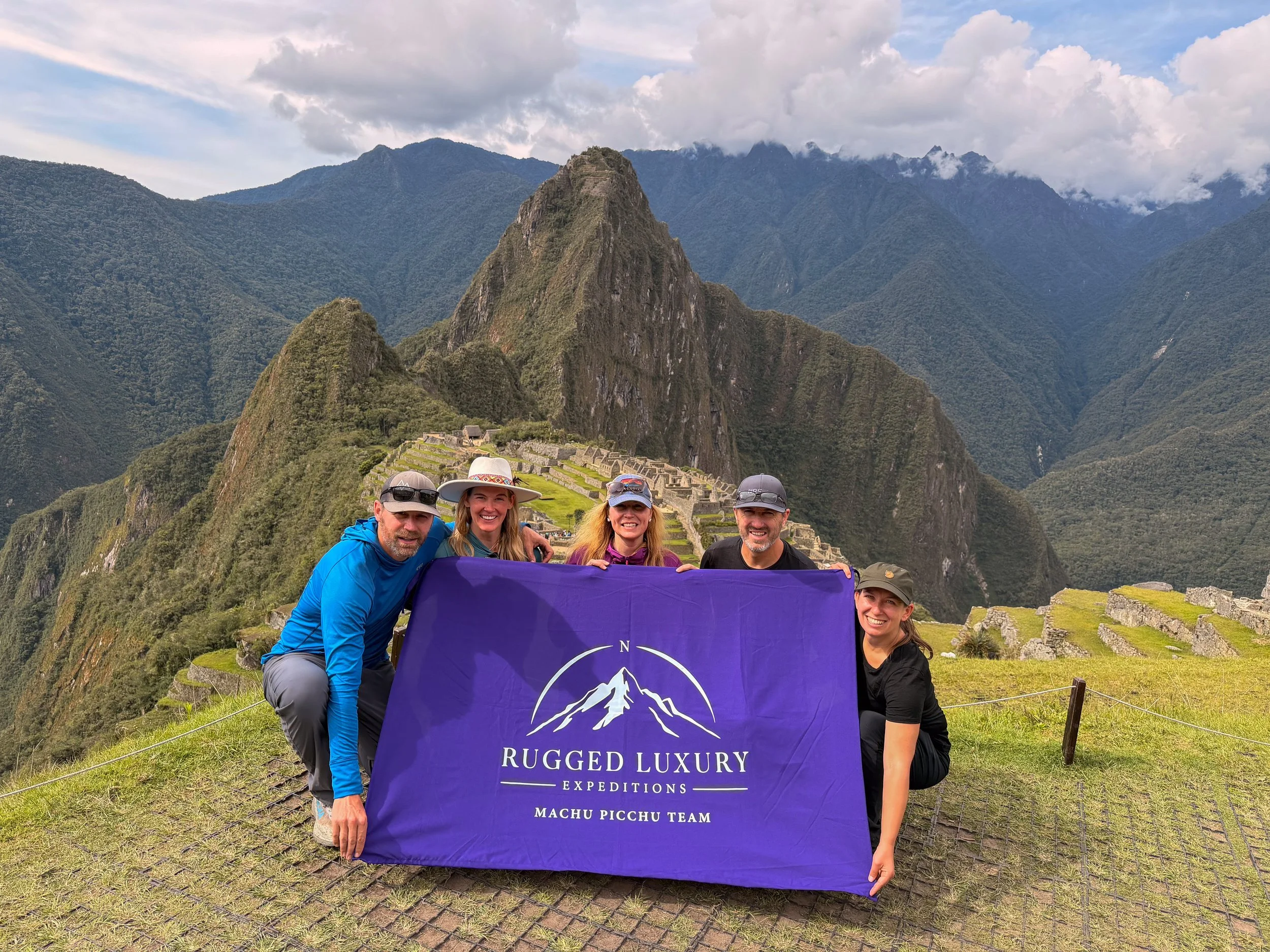
Intipunku, the Sun Gate, through which Machu Picchu appears below for the first time after four days on foot.
By the time guests reach the citadel, they have walked through the context that built it. That changes the experience of standing there.
The Cultural Thread Running Through the Trek
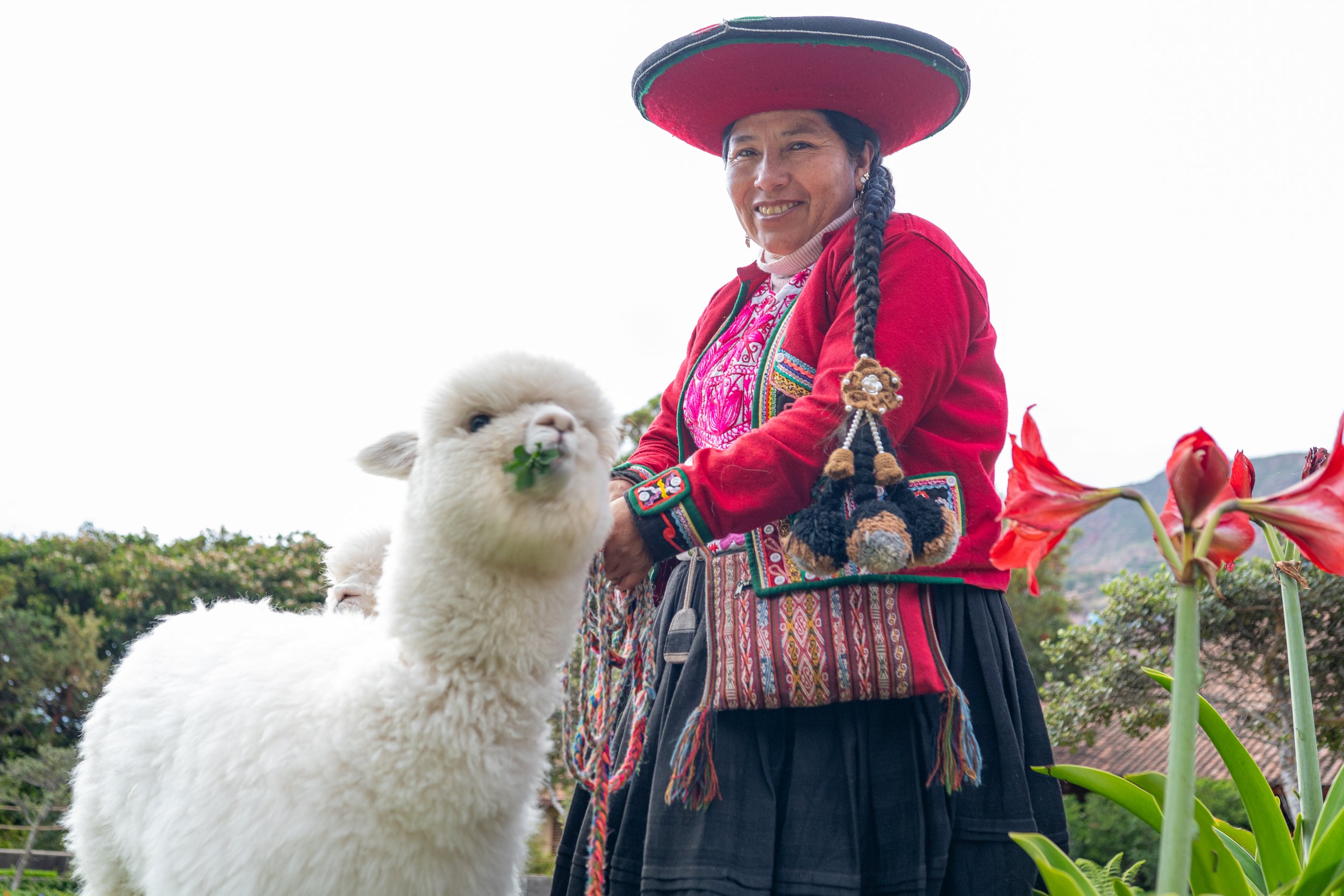
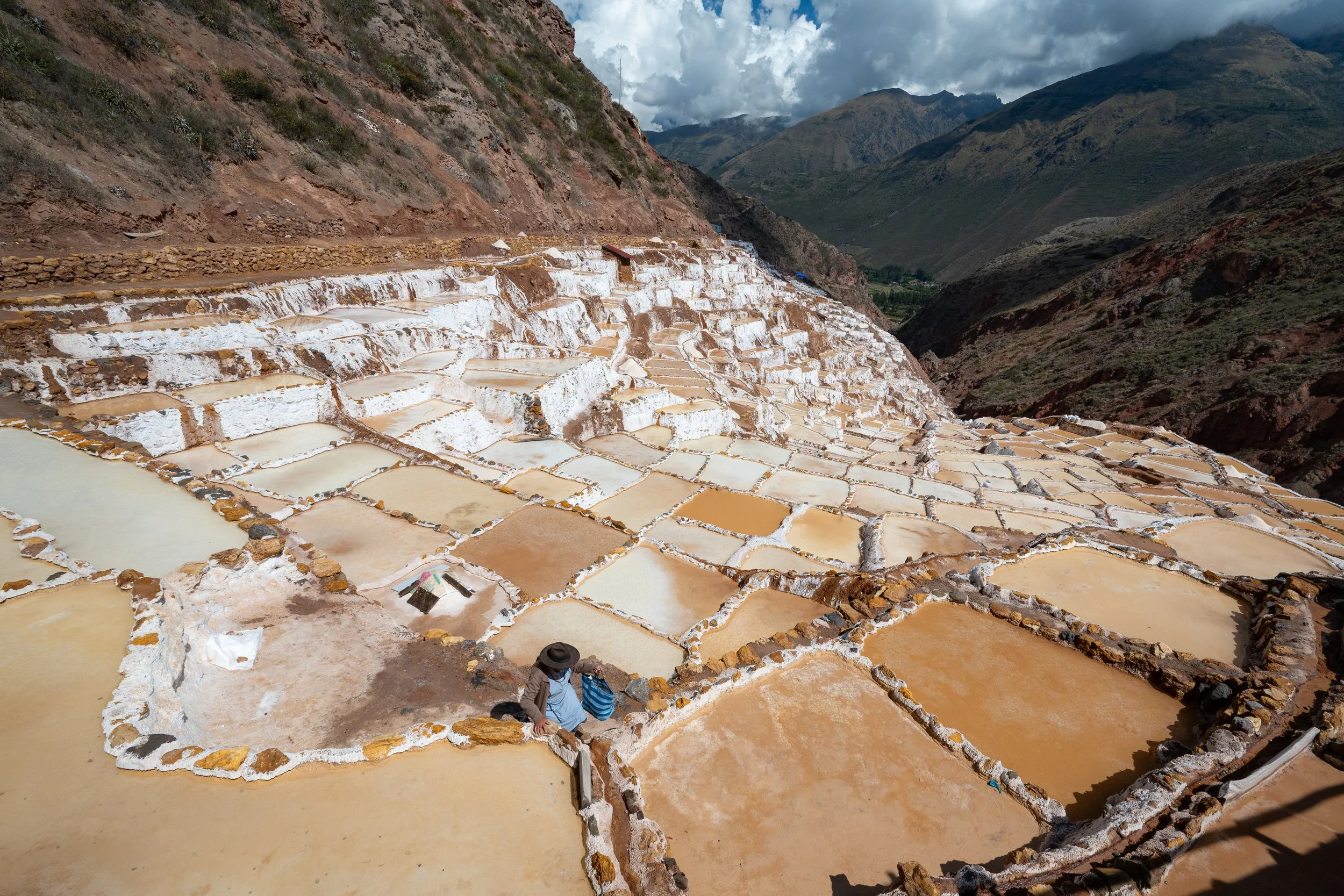
The cultural immersion begins before the trail does. In the Sacred Valley, guests visit the Maras Salt Terraces, attend a private weaving demonstration in the village of Chinchero, and walk through the Inca ruins of Ollantaytambo, one of the best-preserved sites in Peru and the last stronghold of Inca resistance against the Spanish conquest. By the time the trail begins at Kilometer 82, guests already have a grounding in the civilization whose pathways they are about to walk.
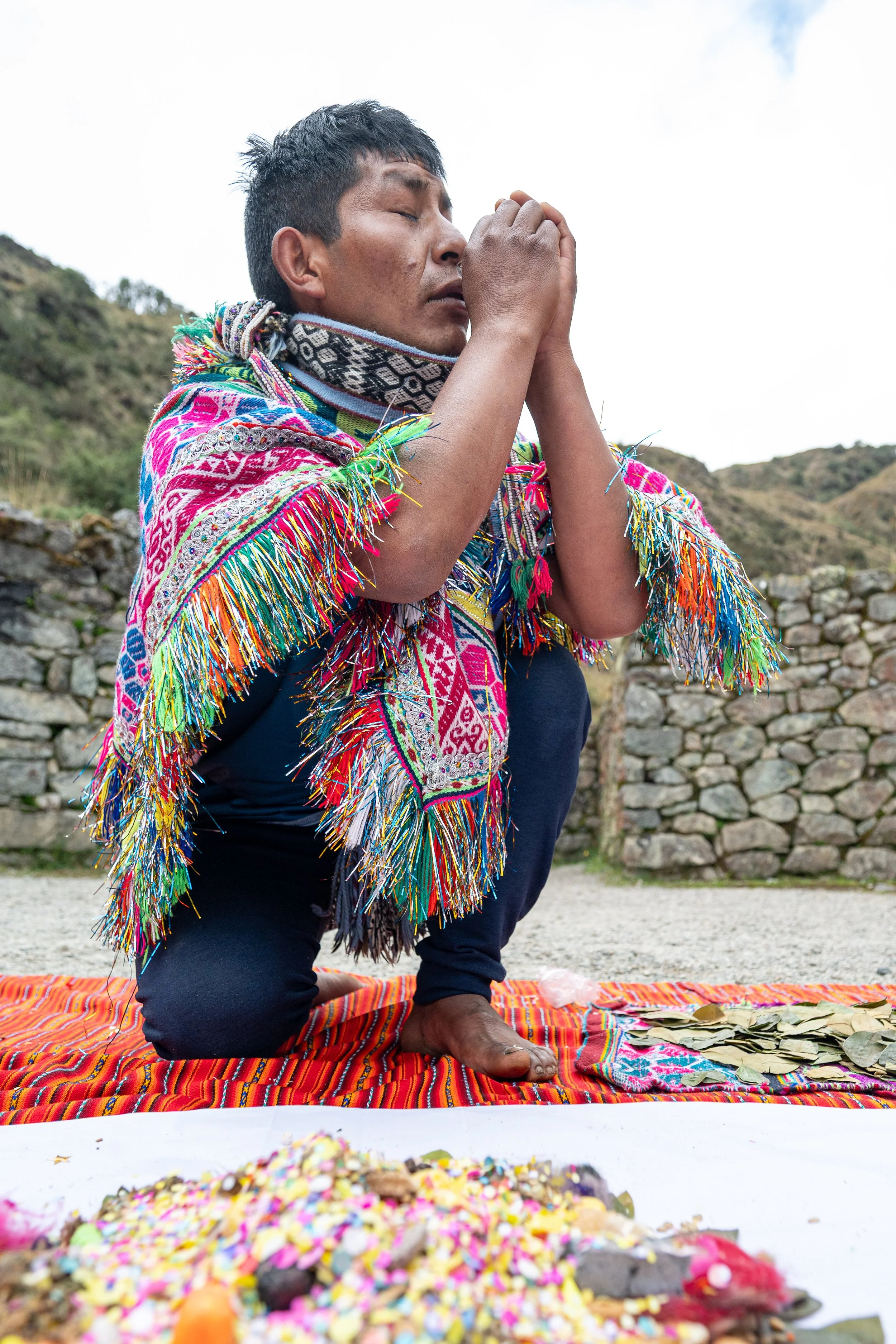
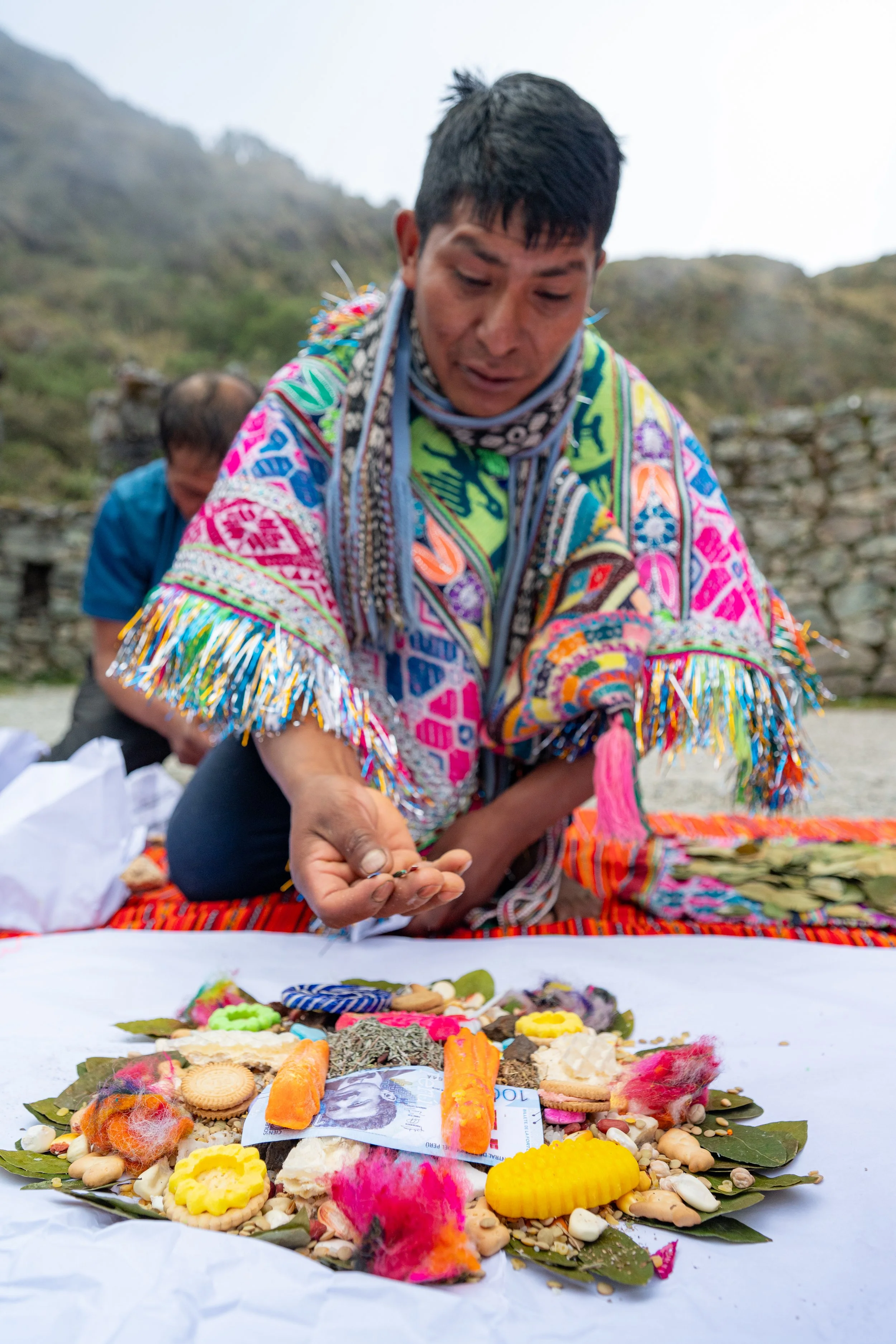
On the trail itself, that connection deepens. On Day 5, the group pauses for a private Pachamama ceremony led by a local paqo, a traditional Andean shaman. Offerings of coca leaves, seeds, shells, and sacred objects are presented to the earth in the shadow of ancient Inca stonework. It is a ritual that has been practiced in these mountains for centuries and one that does not appear on any standard Inca Trail itinerary. For many guests, it is one of the most memorable moments of the entire expedition.
Why Not the Salkantay Trek?
The Salkantay Trek is a legitimate and rewarding route to Machu Picchu, and it suits certain travelers well. The Salkantay Trek is at a much higher elevation and takes guests deep into the mountains, with spectacular glaciers, blue lagoons, and high mountain passes.
But the Salkantay is not an ancient ceremonial route. It does not pass through the preserved Inca sites that the Inca Trail does. The Salkantay Trek has no permit cap and offers no archaeological route into Machu Picchu. Guests arrive at the citadel, but they do not arrive through it. The Sun Gate approach, which is exclusive to the classic Inca Trail, is not part of the Salkantay experience.
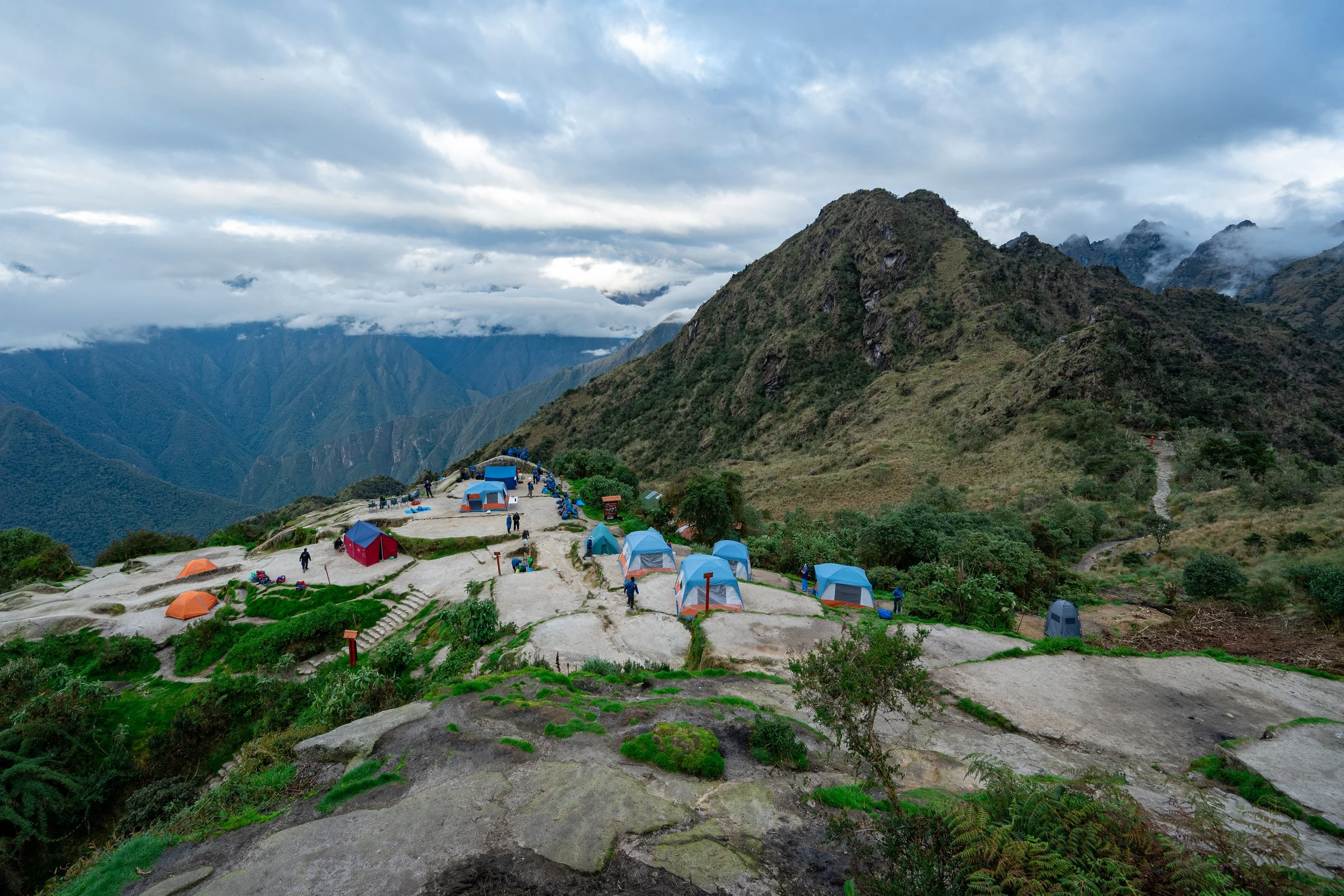
The Salkantay also moves largely between towns and lodges, with road access at multiple points along the route. For Rugged Luxury, that is a meaningful distinction. The standard is to get guests into the mountains and keep them there, sleeping in proper mountain camps in wild terrain rather than moving between population centers. The Inca Trail delivers that. Each night is spent at elevation, in camp, immersed in the landscape rather than adjacent to it.
For Rugged Luxury, the choice is straightforward. The Inca Trail offers something the Salkantay does not: a journey that is itself a piece of the destination.
Conservation and the Case for the Permit System
The Inca Trail is one of the most actively managed trekking routes in the world. The Peruvian government limits daily access to 500 people total, including guides and support staff, leaving roughly 200 spots for trekkers. The trail closes entirely every February for conservation work and environmental recovery. These are the reasons the trail remains in its current condition and why Rugged Luxury Expeditions prioritizes trekking on the Inca Trail.
For Rugged Luxury, the sustainability of tourism in any destination is not a secondary consideration. It is part of how every program is designed. A destination that is loved beyond its capacity to recover is not a destination for long. The Inca Trail's permit system is a model for responsible management of a high-demand natural and cultural resource, and operating within it, rather than around it, is a baseline standard, not a differentiator.
The trail passes through cloud forest ecosystems that support plant and animal life found nowhere else on earth. Uncapped foot traffic degrades trail surfaces, disturbs wildlife corridors, and accelerates erosion on slopes that took centuries to stabilize. The February closure exists because the trail needs recovery time, not just maintenance.
The archaeological sites face the same pressures. Wiñay Wayna, Phuyupatamarka, and the other complexes along the route are original Inca stonework that has stood for five centuries. Their condition depends directly on how many people move through them and how responsibly those people behave.
The permit system also supports the local economy in ways that unregulated access does not. Licensed operators are required to meet wage and working condition standards for porters and guides. The communities along the trail depend on a tourism economy that remains viable across generations, not one that extracts value in the short term and degrades the resource that drives it.
Trekking the Inca Trail is a privilege made possible by previous generations who chose to protect it. The permit system, the February closure, and strict operator licensing ensure the trail will still be there for the people who will walk it decades from now.