What Most People Call Everest Base Camp Isn't Everest Base Camp
Most people who complete an Everest Base Camp trek come home having done almost that: completed a trek to Trekker’s Rock, a half mile outside of the real Everest Base Camp.
This is not a criticism. It is a geography lesson that the trekking industry has largely glossed over, and one that matters greatly when choosing how to experience the Khumbu Valley.
Trekkers Rock: Where Most EBC Treks End
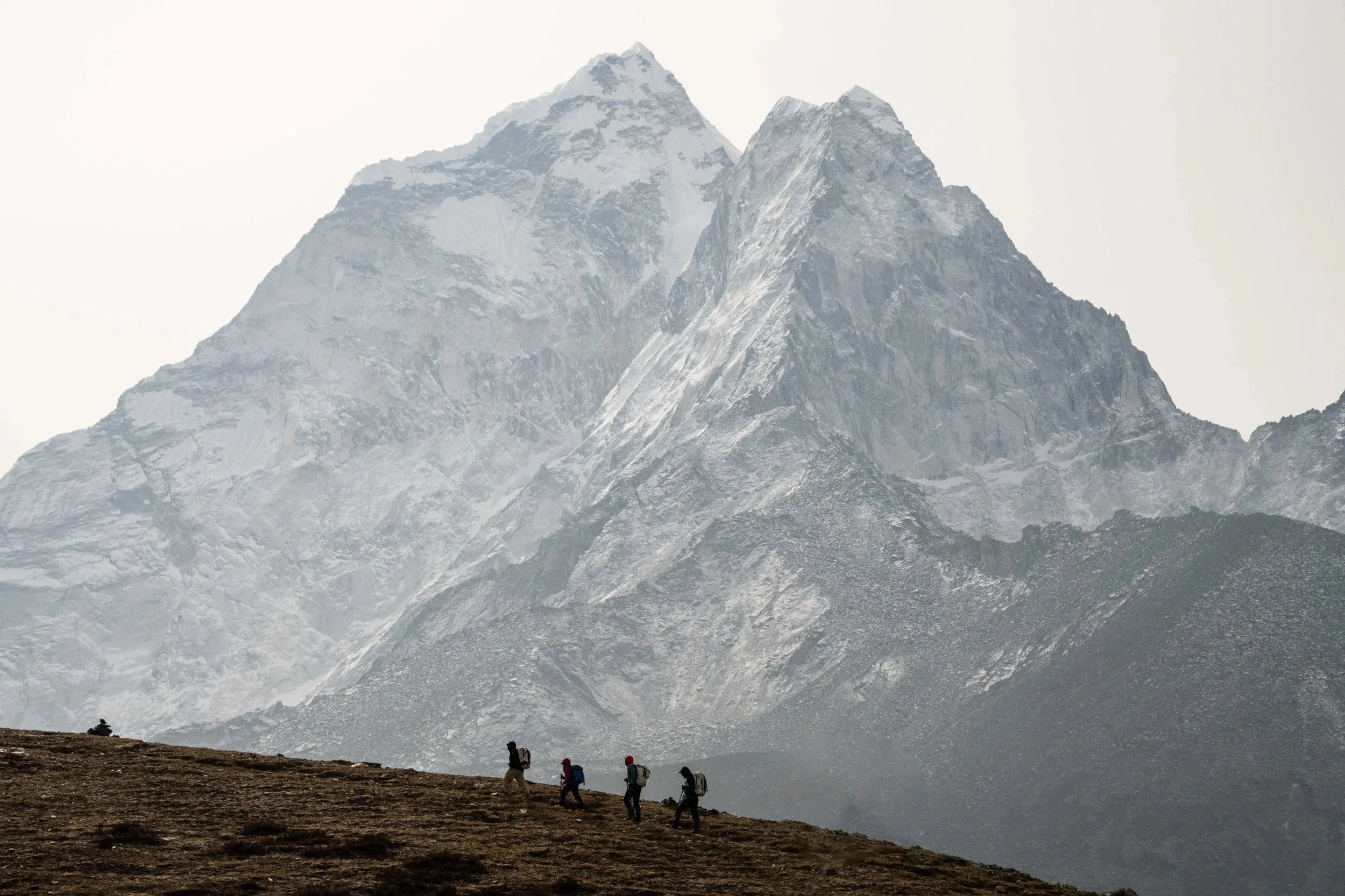
About half a mile below the actual Everest Base Camp sits a large, spray-painted rock. It has become informally known as Trekkers’ Rock. It is where the vast majority of commercial Everest Base Camp treks culminate. Groups gather around it, take photographs, and turn around. It is, by most accounts, a memorable moment. It is not, however, Everest Base Camp proper.
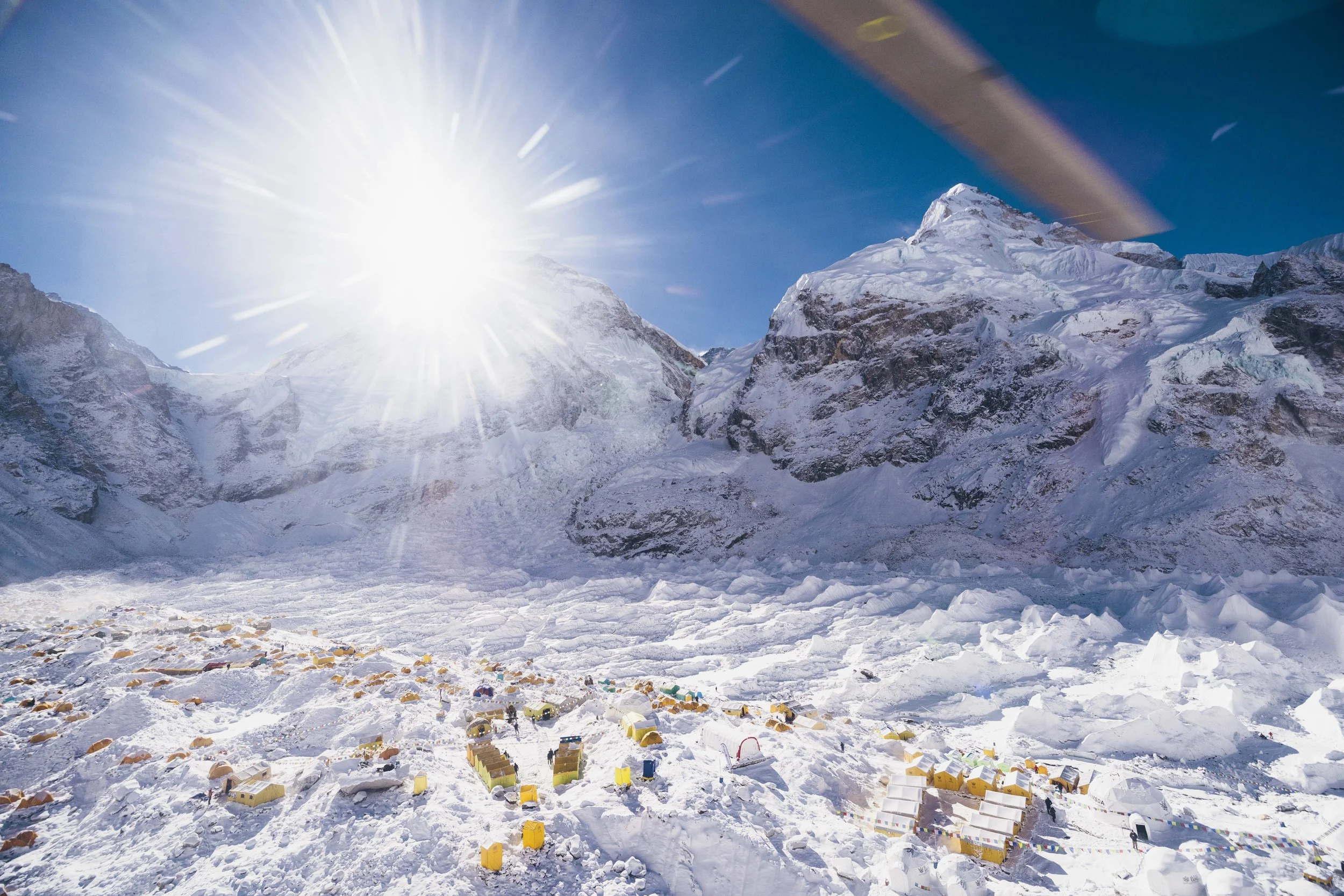
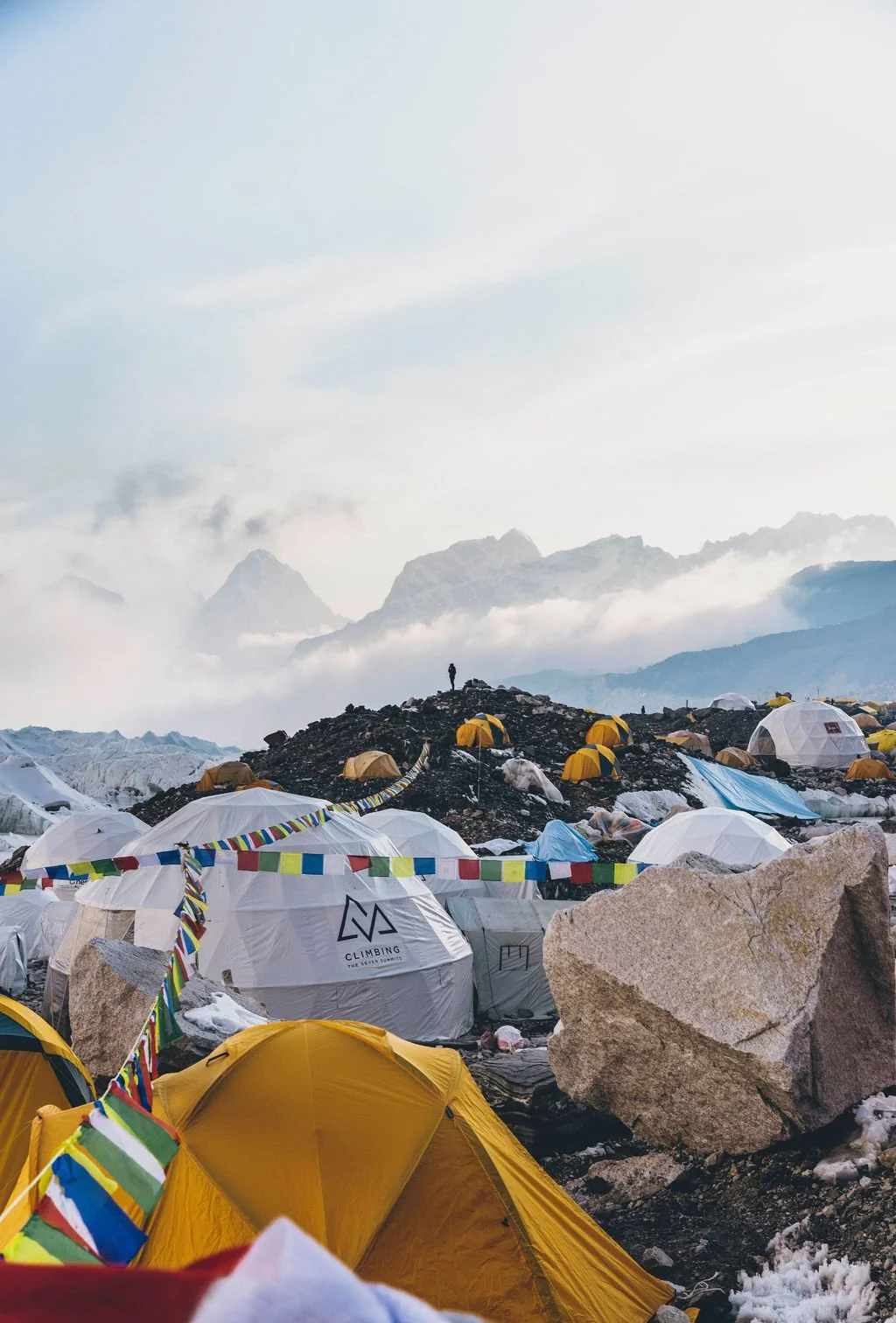
The actual Everest Base Camp sits further up the glacier, and access to it is restricted during the spring climbing season to permitted expedition teams and their guests. It is not a public landmark. It is a working mountaineering camp, operational from late March through late May each year, used by summit teams preparing to ascend the world's highest mountain. When the season ends, the camp is completely dismantled, and the glacier is left without a trace.
Standard trekking operators cannot get their clients to the real base camp because they lack the permits and expedition infrastructure required. Trekkers’ Rock exists, in part, because it fills that gap with something photographable.
What Everest Base Camp Proper Actually Is
The real Everest Base Camp sits at 17,600 feet on the Khumbu Glacier, tucked beneath the Khumbu Icefall. The Icefall is the first and most technically dangerous section of the Everest summit route, a slow-moving river of glacial ice broken into house-sized blocks that shift and collapse without warning. From Base Camp, it is visible in its entirety, its deep blue azure core catching the light at every hour of the day.
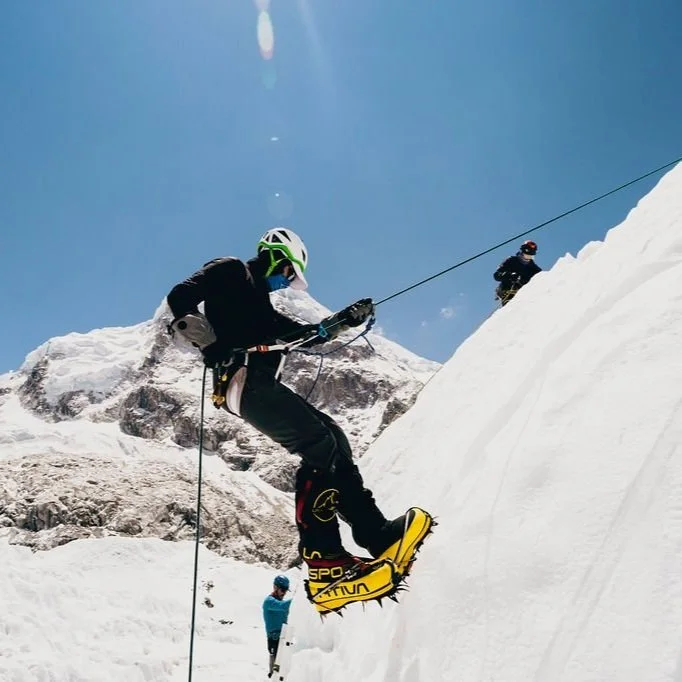
During the spring climbing season, Base Camp is home to multiple expedition teams from around the world, each with its own section of the glacier, logistics, and summit timelines. It is a functioning operational center for some of the most ambitious mountaineering on earth.
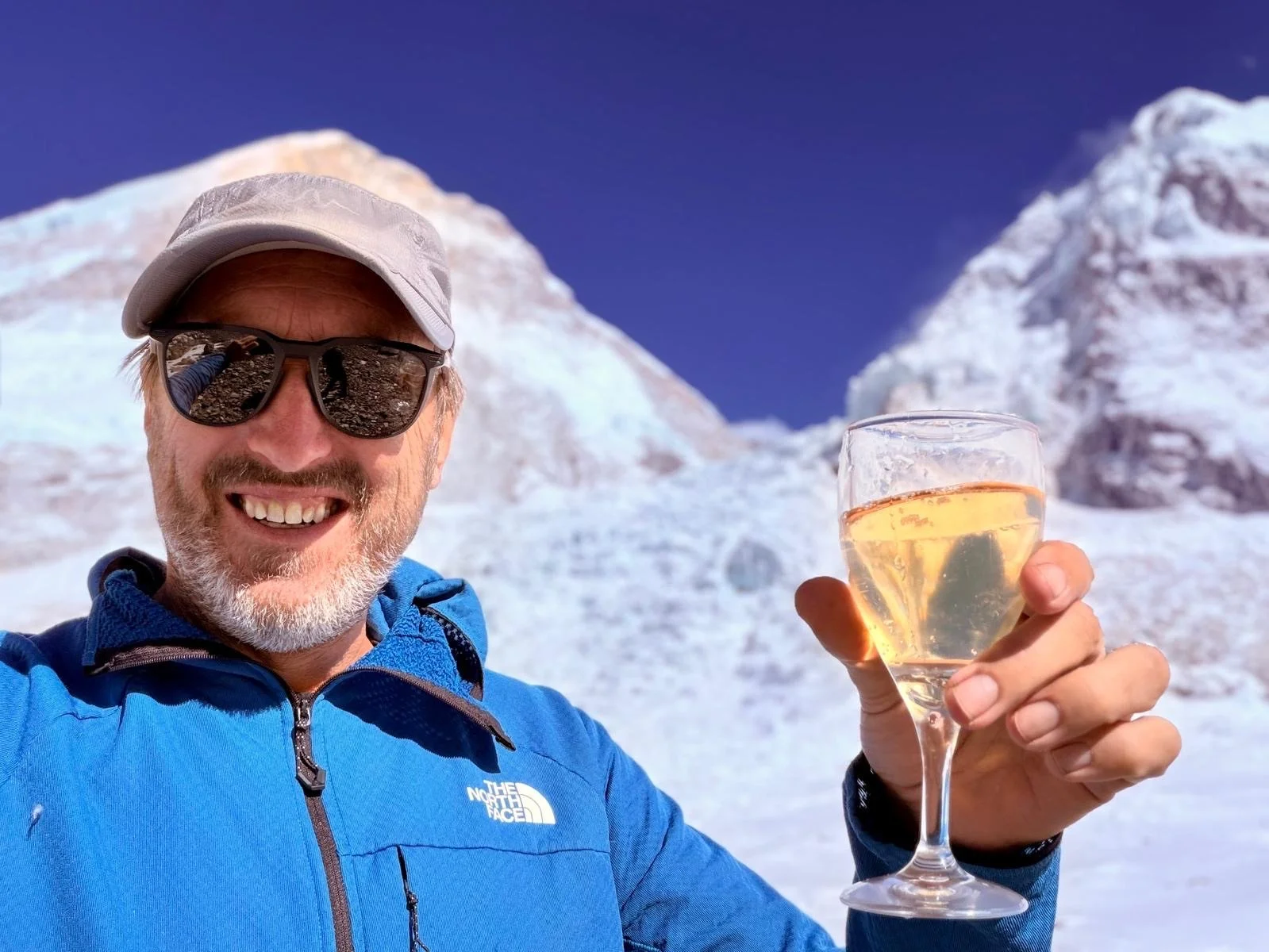
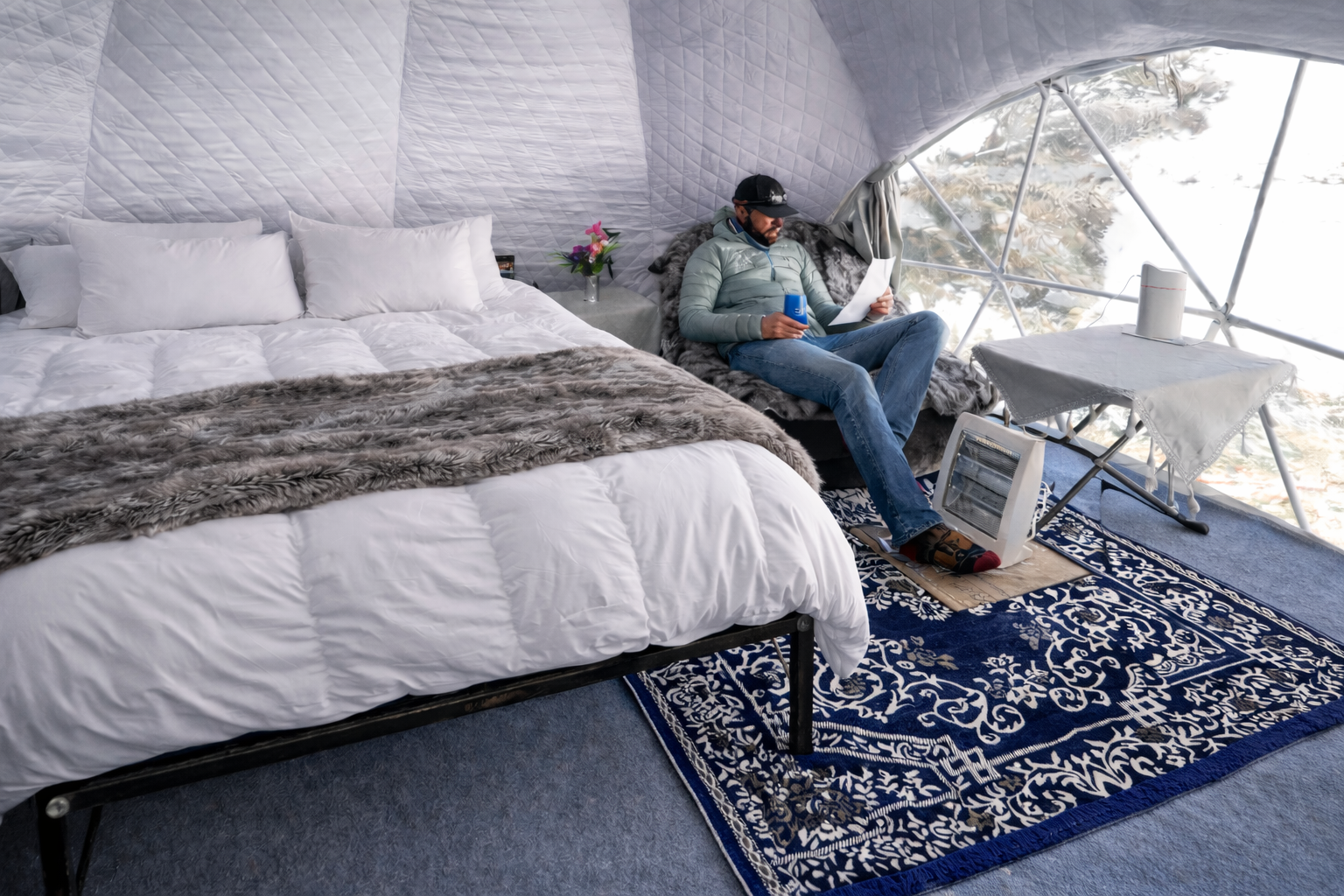
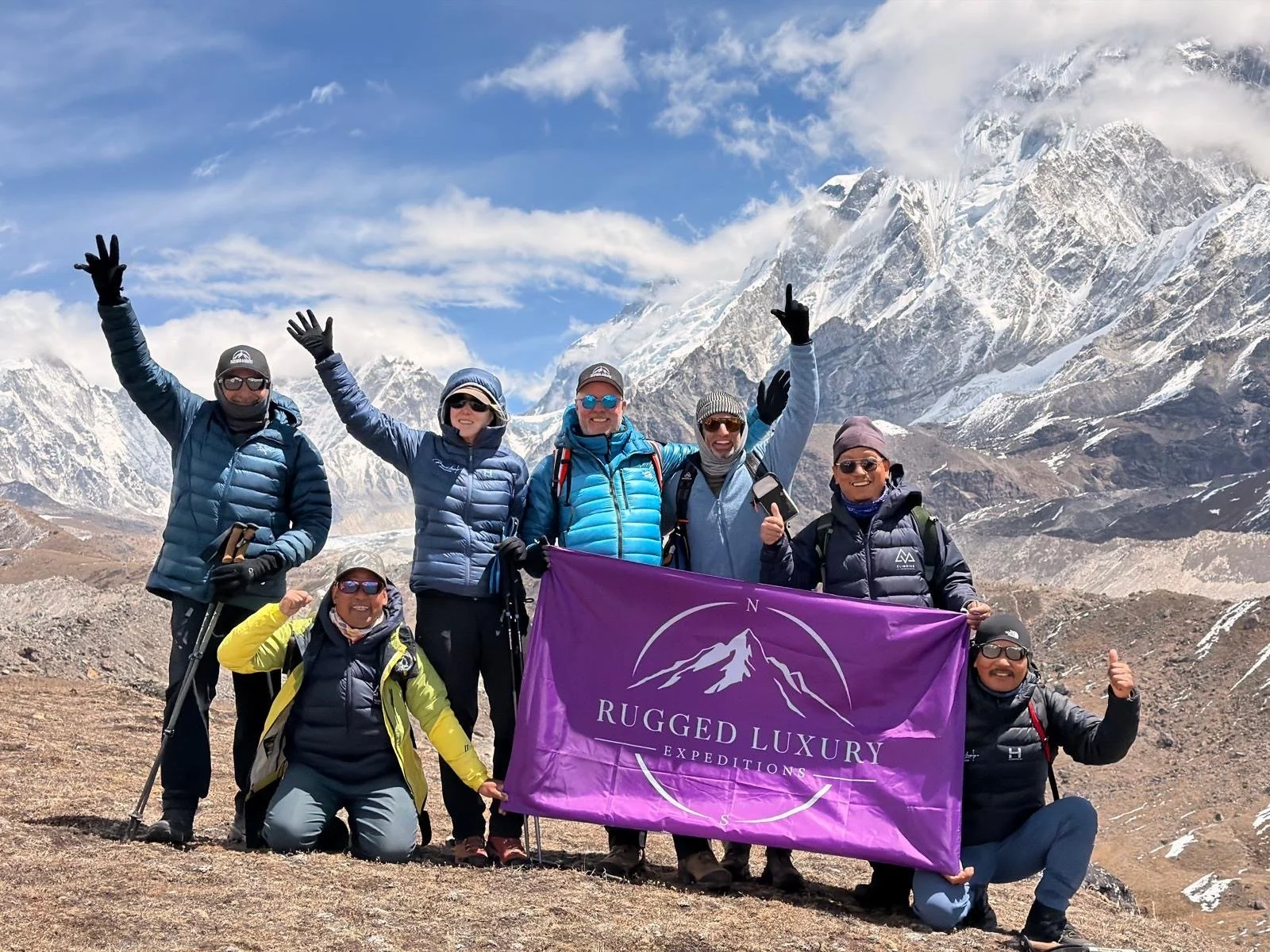
For Rugged Luxury guests, arriving at Everest Base Camp is not a photo opportunity at a rock. It is two full days inside the actual mountaineers' camp, sleeping in heated geodesic domes on the glacier, rubbing shoulders with Everest summit teams, and watching the Khumbu Icefall from the place where those teams begin their climb.
Why Rugged Luxury Can Offer This
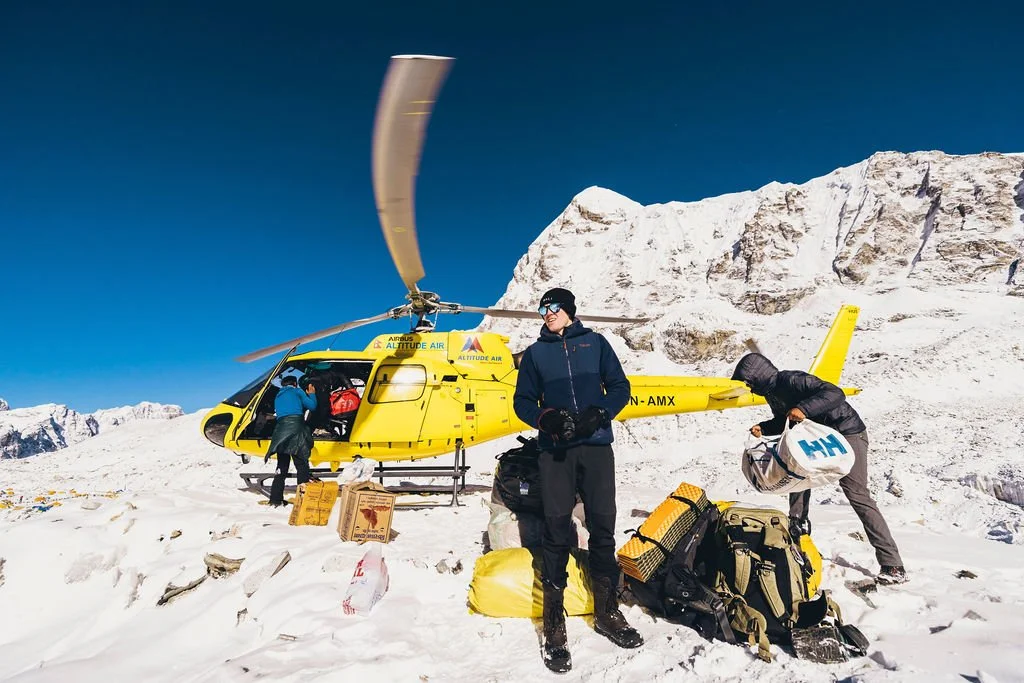
Access to Everest Base Camp proper cannot be purchased off the shelf. It exists because of Rugged Luxury's operating partnership with Climbing the Seven Summits, the guiding operation behind some of the most successful Everest summit expeditions in history. CTSS runs summit expeditions to Everest each spring. The infrastructure, the staff, the Big House, the chef, the barista-made cappuccinos at 17,600 feet, all of it exists because a world-class mountaineering operation built it for their summit team and opened it to a small number of trekking guests each season.
There are 500-plus people who attempt to trek to Everest Base Camp every day during peak season. 90% of them stop at a spray-painted rock and go home satisfied. A small number walk past it and arrive somewhere else entirely. That distinction is what the Rugged Luxury Everest Base Camp Trek & Stay is built around.