
What Makes the Rugged Luxury Kilimanjaro Summit Climb Different?
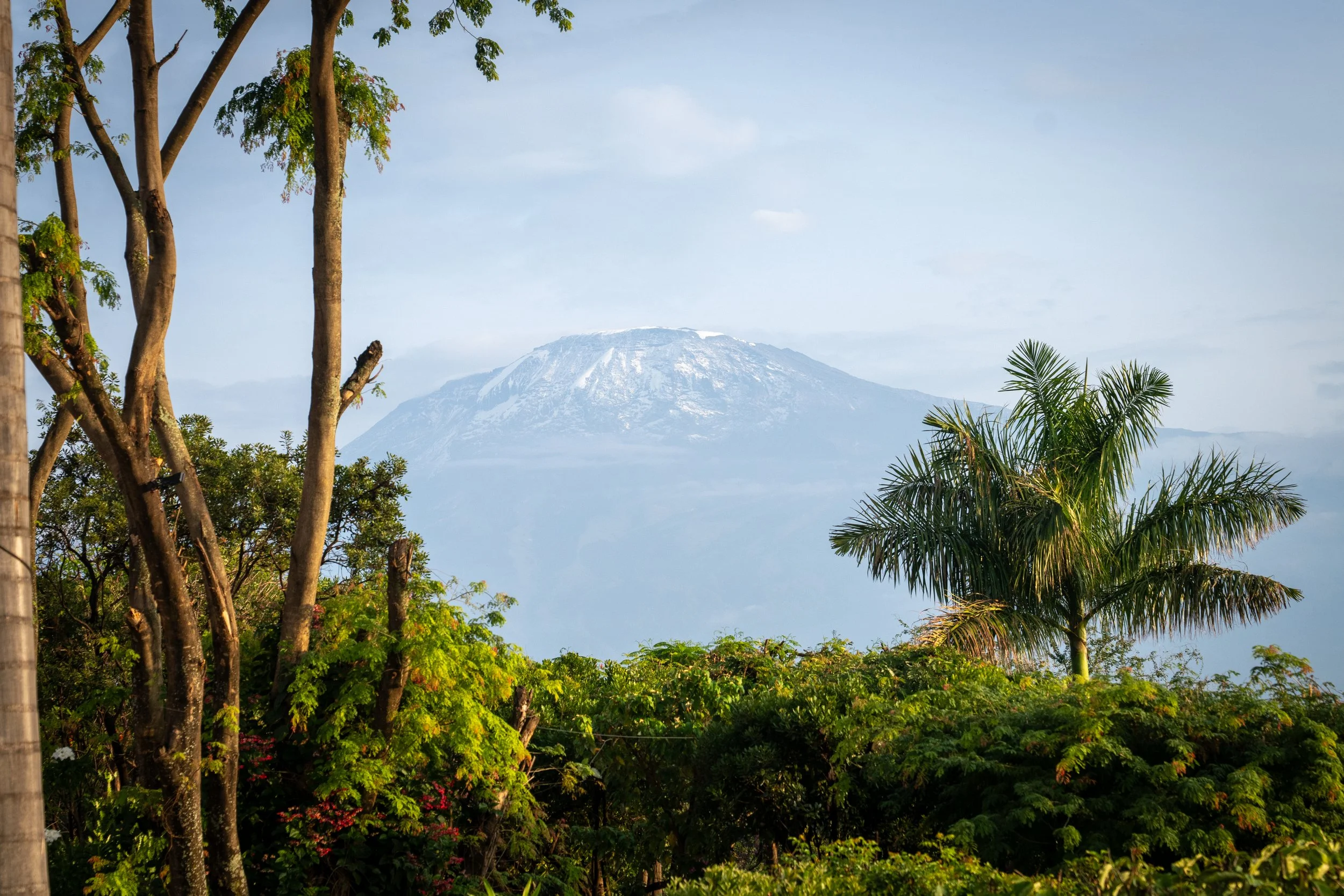
Anyone researching a Kilimanjaro summit climb eventually runs into the same question: should I go with a full-fledged guide service or a standard trek operator? The routes look similar on paper, but prices don't. The difference shows up on the mountain, in the leadership, the support, and on the summit.
Rugged Luxury Expeditions is not a standard trek operator. We are built on the operational foundation of Climbing the Seven Summits, a high-altitude expedition company with decades of mountaineering experience across Everest, Antarctica, Denali, and Aconcagua. That same standard of guiding and care that their climbers get on Everest carries over to all of our Kilimanjaro trekkers here at Rugged Luxury.
What Makes a Kilimanjaro Guide Service Different From a Trek Operator?
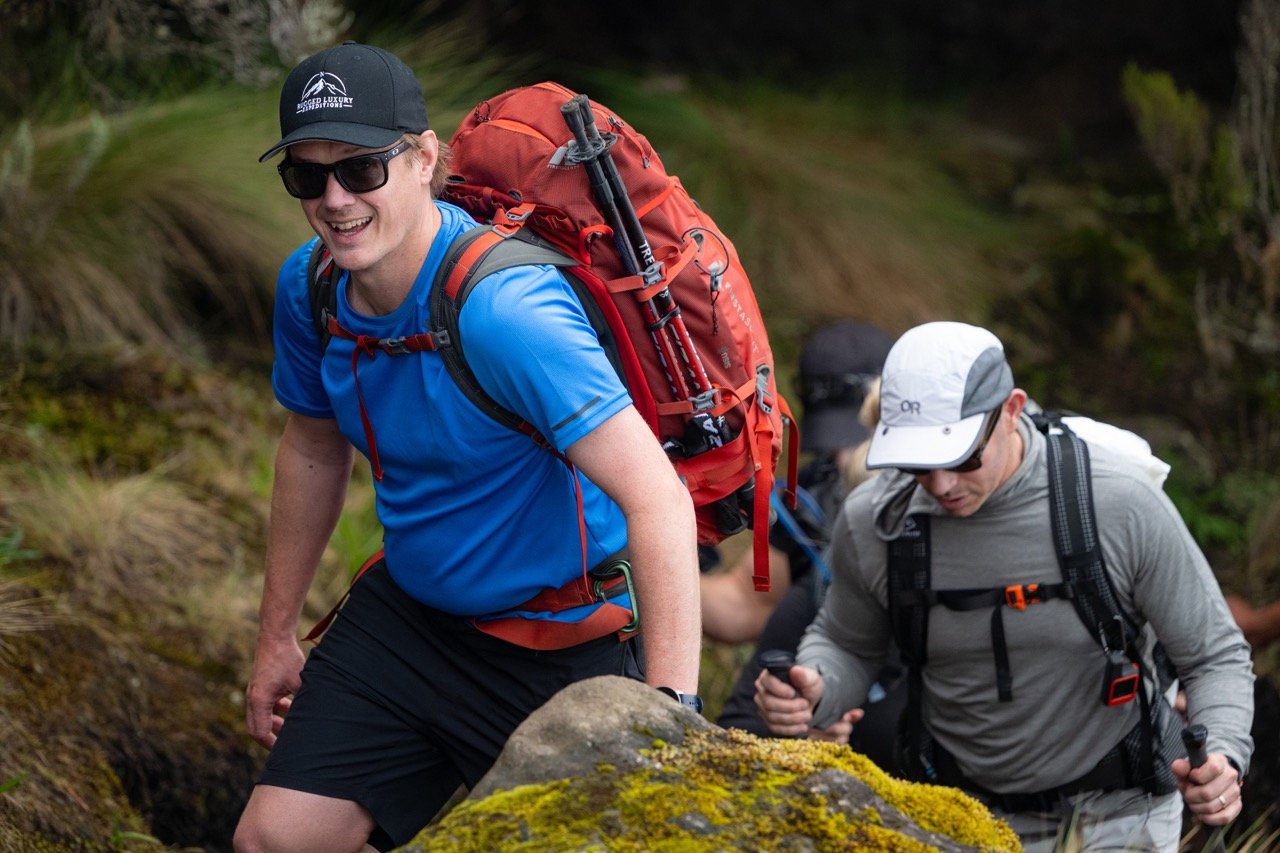
A trek operator gets a group up a trail and plays a numbers game. A guide service will also get you onto the trail but will also manage risk, pacing, and acclimatization at altitude, all led by guides with summit experience on the world's highest peaks.
Rugged Luxury climbers on Kilimanjaro are led by world-class guides who also work across the Himalayas and the Seven Summits, including IFMGA Mountain Guide Tendi Sherpa, whose summits span Everest, Manaslu, Cho Oyu, and Lhotse. He is booked years in advance for Everest expeditions and represents the caliber of guide on every Rugged Luxury Kilimanjaro departure. Or Dr. Brenton Systermans, an expedition doctor and mountain guide who works with Australia’s high-performance winter athletes at the Olympic Winter Institute of Australia. Dr. Brent also volunteers at the Himalayan Rescue Association’s famous high-altitude clinic, the Everest ER, and the Pheriche Clinic.
Whether you’re dreaming of the Seven Summits or simply want to climb Kilimanjaro, you’ll have direct access to the stories, skills, and mentorship of the best in the business.
In addition to our world-class guides, our office team provides unparalleled support from the moment you reach out. Every Rugged Luxury departure includes a dedicated Expedition Concierge who builds your itinerary around your gear, training, route, and travel logistics. We build long-term relationships, not one-off trips. Many clients begin with Kilimanjaro and go on to continue their climbing and trekking journey. It’s why your goals, your pace, and your wellbeing guide every step of how we prepare
Is Rugged Luxury Expeditions a KRTO-Certified Kilimanjaro Operator?
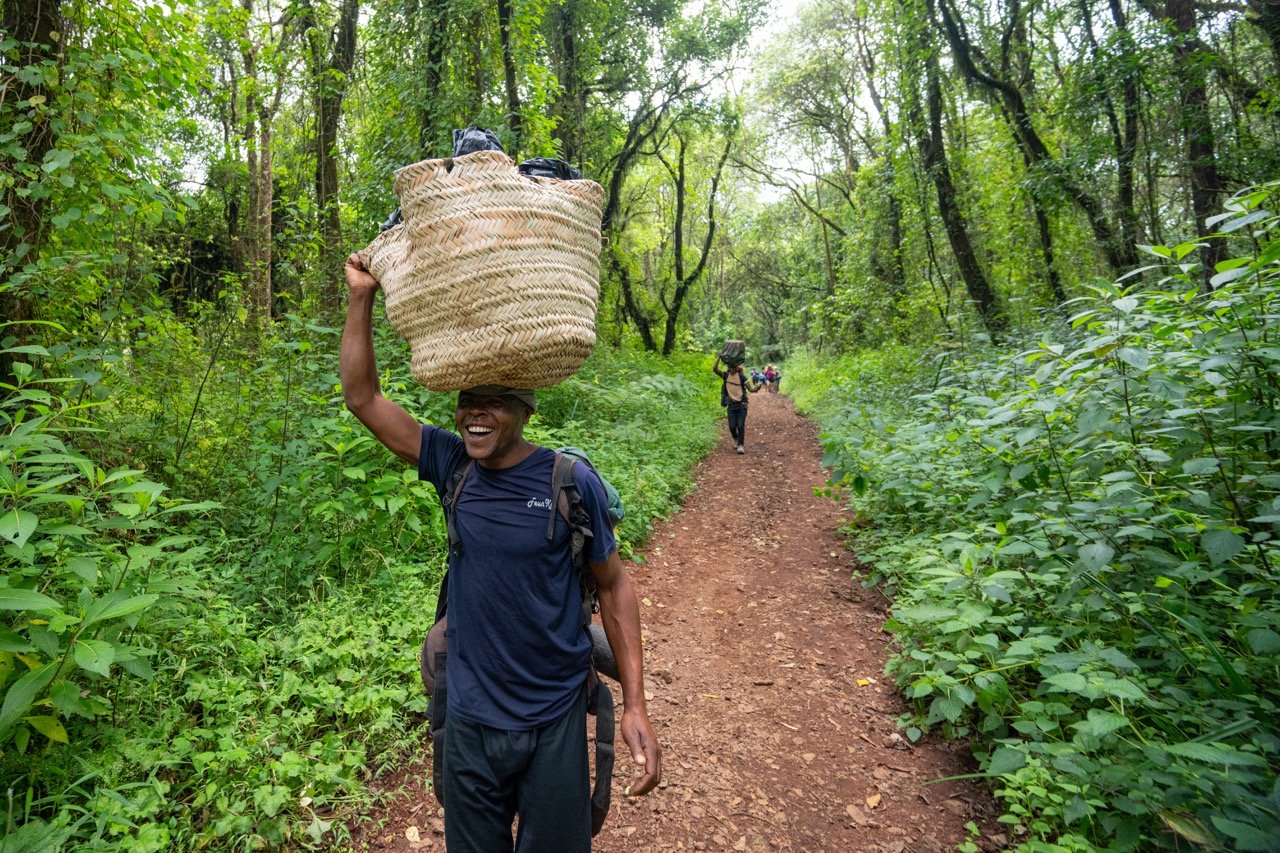
Yes. Rugged Luxury is a Kilimanjaro Responsible Trekking Organization (KRTO), certified through the Kilimanjaro Porters Assistance Project (KPAP). KPAP monitors our climbs independently to confirm fair treatment of porters, cooks, and mountain crew.
KRTO certification guarantees:
Socially responsible Kilimanjaro mountain tourism
Fair and ethical treatment of all mountain crews
No exploitation or mistreatment of mountain crews
Why the Seven-Day Machame Route?
Rushed itineraries gamble with acclimatization. Our preferred seven-day Machame Route gives the body time to adjust, which is the single biggest factor in summit success and how a climber feels along the way. Acclimatization plans are built with mountain medicine experts, and guides share the same high-altitude knowledge climbers can carry into future expeditions.
The Rugged Luxury Compass on Kilimanjaro
Every Rugged Luxury expedition, Kilimanjaro included, runs on the same four-point compass.
North Star Safety.
Guides on the Kilimanjaro program also work Everest, bringing the same decision-making standards to a lower-altitude climb. Every climber carries a personal ALTOX oxygen system for summit day, receives daily medical checks, and is covered by AMREF emergency evacuation. The itinerary itself is built for safety: a trek-high, sleep-low acclimatization strategy up the Machame Route, with rest days worked in before the push to Uhuru Peak.
Expedition Authenticity.
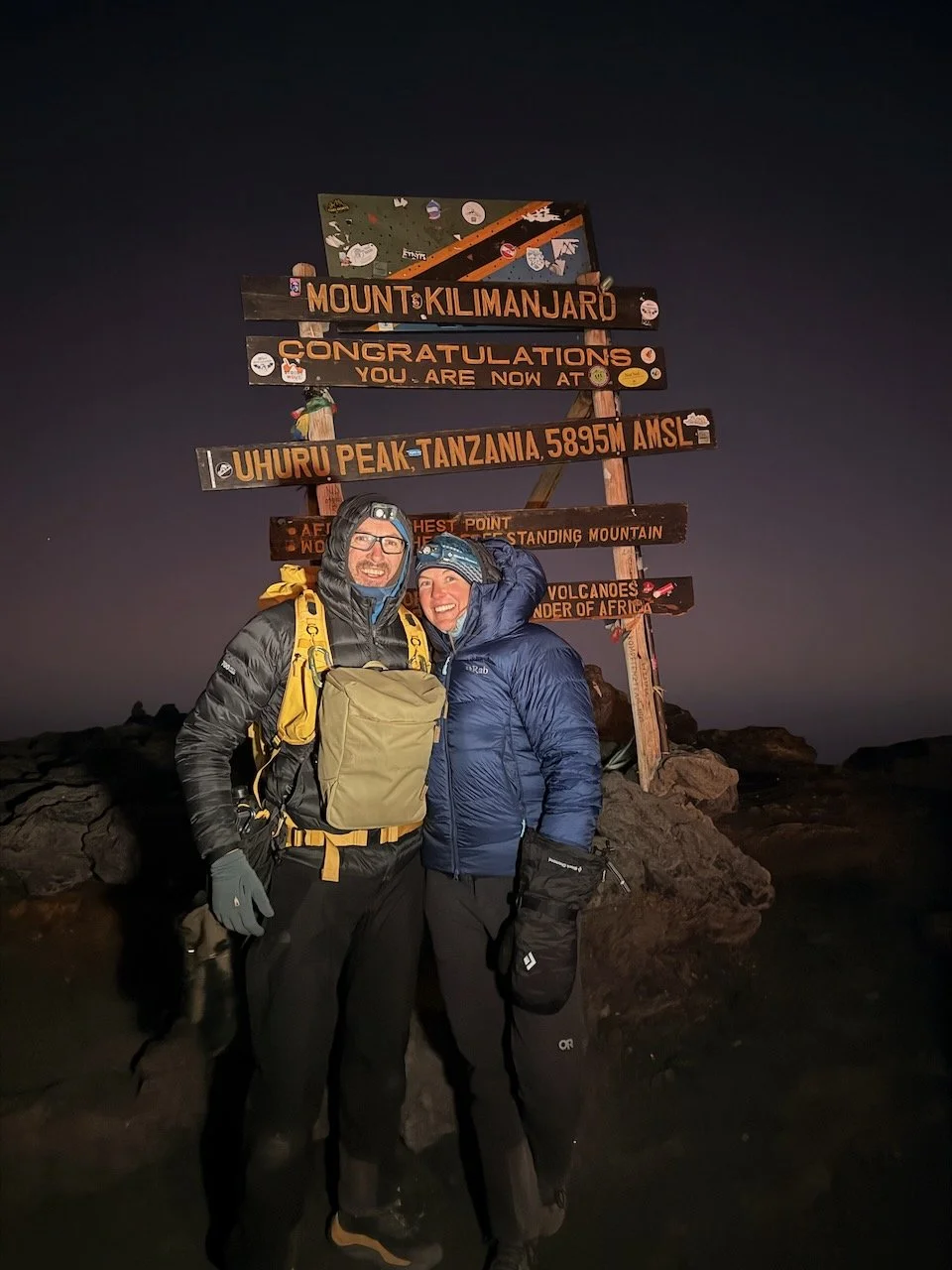
Kilimanjaro has a reputation as an easy add-on to a safari. It isn't. The Machame Route covers 38.5 miles and climbs through five distinct ecosystems, from montane rainforest to volcanic alpine desert, including a hands-on scramble up the Barranco Wall. Summit day starts before dawn on loose volcanic scree for a push to 19,341 feet, the highest point in Africa. The climb is real. Nothing about the comfort around it changes what the mountain demands.
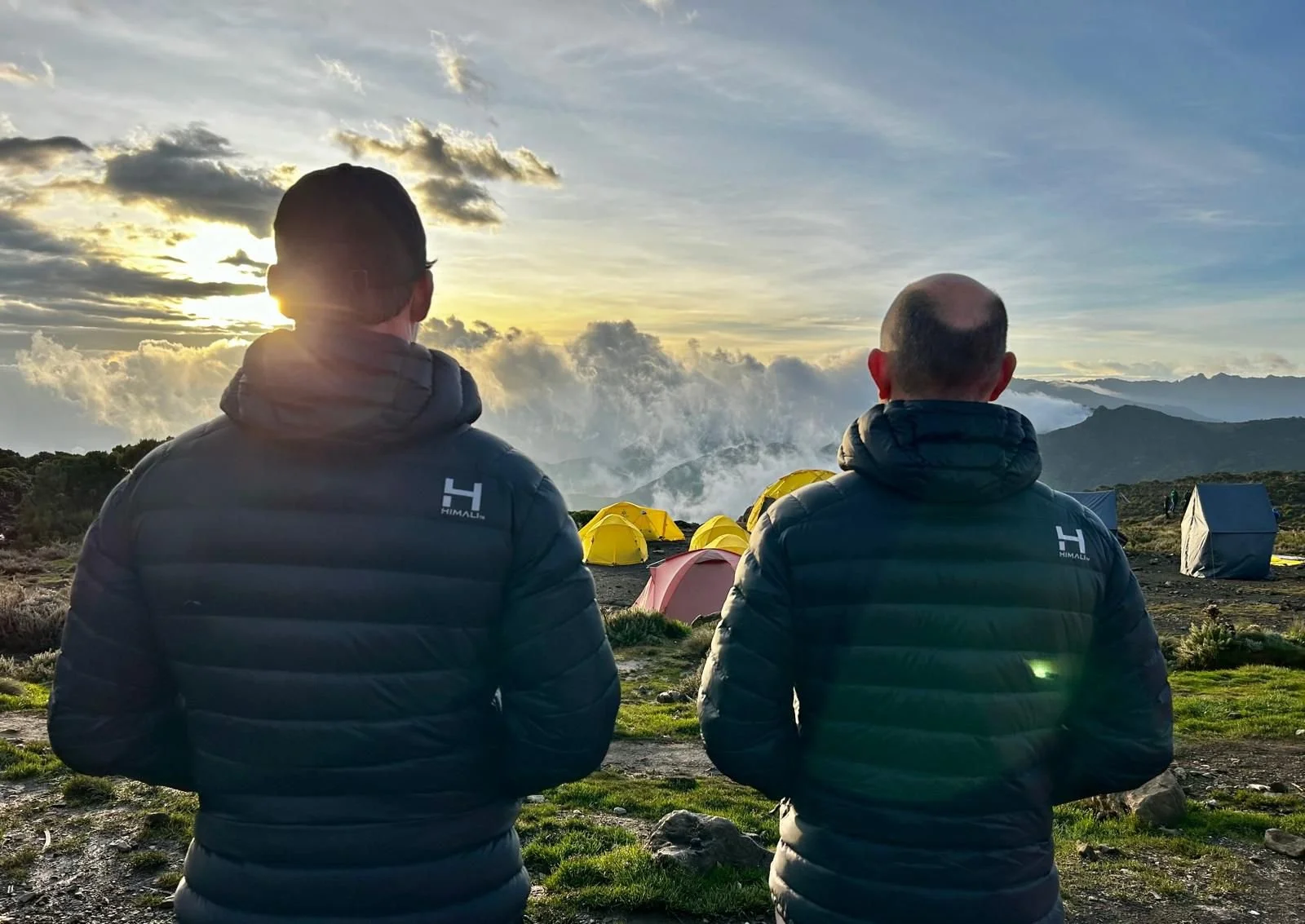
Strategic Luxury.
The comfort is built to support the climb, not distract from it. A private chef and hot showers wait at camp each evening, along with a massage therapist to aid recovery after each day's trekking. Climbers sleep in spacious tents with cots rather than bare ground, and a personal porter carries the daily load. At the top, the reward is a champagne celebration at the summit, followed by a helicopter descent that skips the standard two-day walk back down.
Awe Hunting.
The terrain changes by the hour: giant lobelia and groundsel found only in the Barranco Valley, sunrise breaking over Mawenzi Peak from Stella Point, and on the final morning, an aerial view of Kilimanjaro's summit glaciers and the Tanzanian plains from the helicopter. Time with local guides and porters, and a cultural coffee tour in Arusha, round out a trip that's as much about the people and place as the peak.
The challenge is what makes it worthwhile, and the luxury is what keeps a climber at their best.
Extending the Trip Beyond the Summit
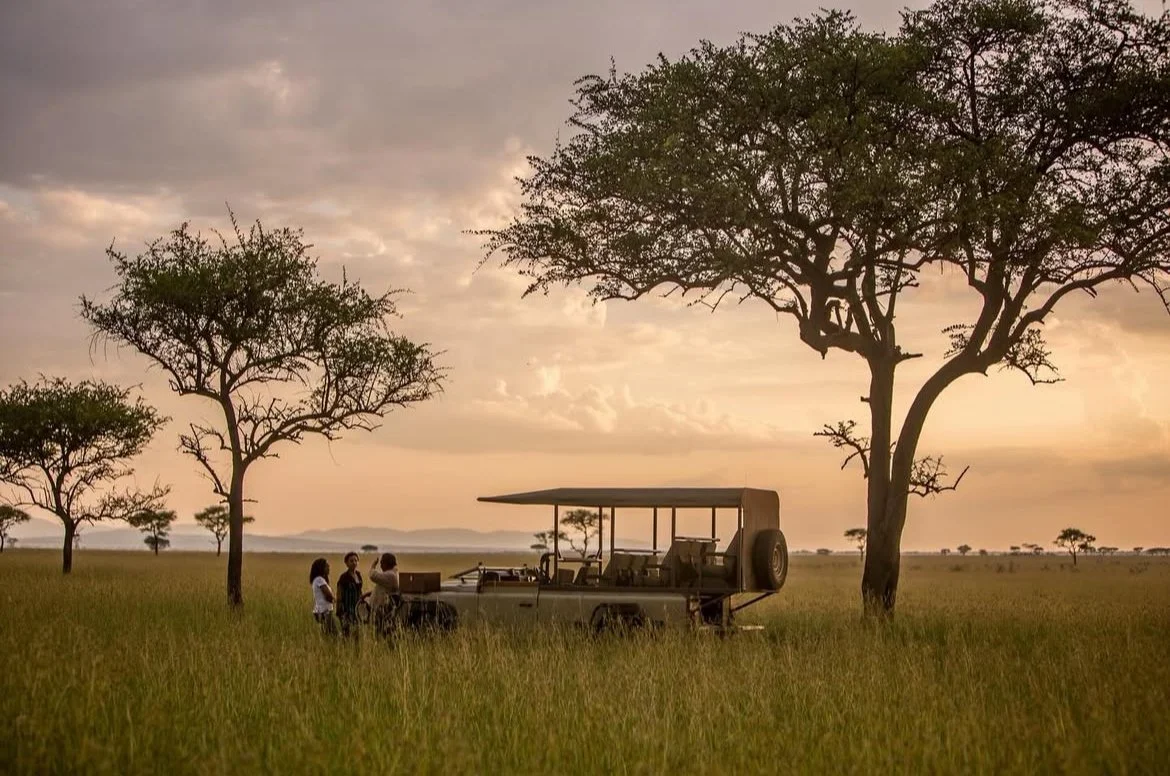
Your Kilimanjaro summit is just the beginning. Celebrate your success with a signature safari in Tarangire and Ngorongoro Crater, where elephants roam ancient baobab groves and lions nap in the sun. Or let us craft a bespoke add-on: perhaps a hot air balloon ride over the Serengeti, a gorilla trek in Uganda, or a sun-soaked Zanzibar retreat. With Rugged Luxury, your African adventure continues exactly the way you dream it.
Is Kilimanjaro a Good First Climb?
Kilimanjaro is one of the more accessible high-altitude summits in the world, making it a common first climb for people new to mountaineering and still a meaningful one for experienced climbers. Accessibility does not mean low stakes. Altitude is altitude, and the guiding and preparation for the climb determine the outcome.
For those new to trekking altogether, Machu Picchu or the Everest Base Camp Trek can be a gentler starting point. For anyone with backpacking or hiking experience already under their belt, Kilimanjaro is a strong place to start.
